Conservatory vs Extension vs Garden Room: Which Is the Best Way to Add Space?
If you’re looking at ways of adding space to your home, the conservatory vs extension debate is usually where things start.
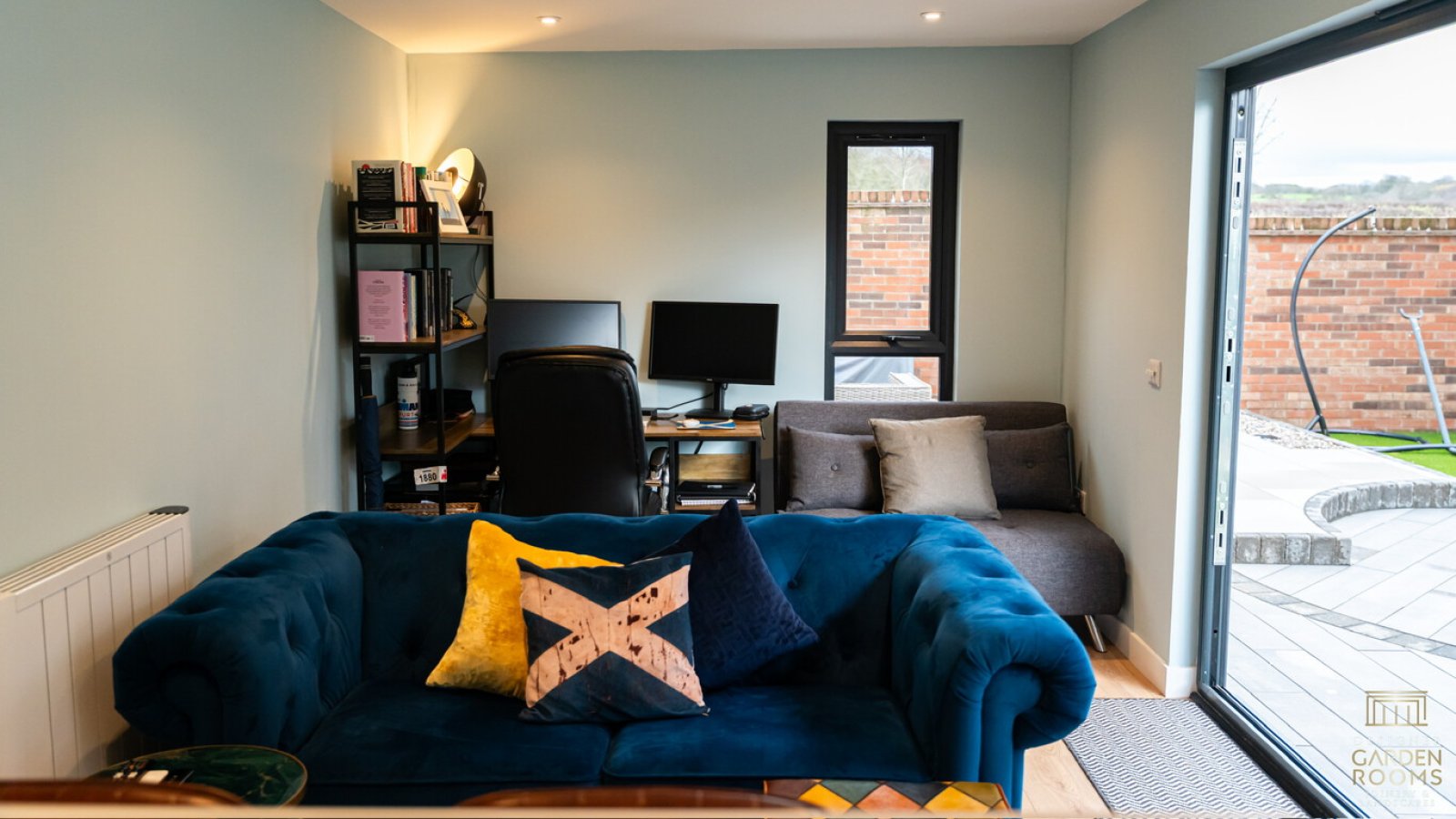
Both options have been popular in the UK for decades, particularly for homeowners who want more room without moving house. More recently, however, the rise of the modern garden room has added a third option that’s changing how people think about creating usable living space.
Each approach offers a different balance of cost, disruption, comfort and long-term value. Some add space cheaply but struggle year round. Others create excellent living areas but involve lengthy building work and planning approval. The right choice depends on several factors, including how you want to use the room, how connected it needs to be to the main house, and whether you want a flexible solution or a permanent structural change.
This guide compares conservatory vs extension, looks at extension vs garden room, and explains the practical difference between a conservatory and an extension so you can make an informed decision for your property.
Understanding Your Options for Adding Space
Before comparing performance and cost, it’s important to understand what each option involves and how it affects your existing home.
What Is a Conservatory?
A conservatory is usually a glazed structure attached to the rear or side of a house. Traditional designs rely heavily on a glass roof, extensive glazing and dwarf walls to maximise natural light and create a visual link with the garden.
Modern conservatories have improved significantly. Many now include insulated roof systems, better double glazing and stronger frames, making them more usable than older designs. Even so, conservatories are often treated as secondary living areas rather than fully integrated rooms.
This has led to growing interest in conservatory garden rooms, which aim to combine the light of a conservatory with the comfort of a more solid structure.
What Is a House Extension?
A house extension is a permanent addition built onto the existing property, normally using the same materials as the original house. This might be a single storey extension, a two storey extension or another form of storey extension depending on space and planning rules.
Extensions become part of the main house and are often used to create a new kitchen, dining room, living area or extra bedroom. They involve foundations, external walls, structural openings and full compliance with building regulations.
A traditional extension offers excellent long-term performance but comes with higher costs, longer build times and greater disruption.
What Is a Garden Room?
A garden room is a standalone building constructed within the garden, separate from the main house. Unlike older summerhouses, modern garden rooms are fully insulated, built with insulated walls and solid roof systems, and designed to regulate temperature all year.
Many homeowners choose professionally built Scottish garden rooms because they offer reliable year round performance without altering the structure of the existing home.
Garden rooms create new space without affecting the house footprint, making them a flexible alternative to both conservatories and extensions.
Conservatory vs Extension: Key Differences Explained
Planning Permission and Building Regulations
One of the biggest differences between a conservatory and an extension is regulation.
Conservatories can often be built under permitted development, provided they meet size limits and remain separated from the main house by external doors. However, once a conservatory becomes more integrated — for example, by removing doors or adding a solid roof — building regulations approval is usually required.
Extensions almost always fall under building regulations and frequently require planning permission as well. Approval from the local authority is common, particularly for larger extensions or those close to boundaries.
Understanding planning rules early is essential, as failure to comply can delay projects or limit how the space can be used.
Cost and Construction Process
Cost is one of the main reasons homeowners compare conservatory vs extension.
A conservatory is generally cheaper than an extension, especially in its simplest form. Extensions involve a longer construction process, deeper foundations, structural steel, skip hire and more labour. Living through a house extension can mean months of noise, dust and limited access to parts of the home.
Modern conservatories with insulated roofs and high-spec glazing can narrow the cost gap, but they still tend to be more cost effective than a new extension.
Comfort and Practical Use
Extensions behave like any other part of the house. They provide consistent indoor temperatures, better sound insulation and seamless integration with existing living space.
Conservatories, even modern ones, may still suffer from temperature fluctuations. They can overheat in summer and feel cold in winter, leading to less natural light once blinds or roof upgrades are added to compensate.
Extension vs Garden Room: A Modern Alternative
As lifestyles change, many homeowners now compare extension vs garden room rather than defaulting to extending the house.
Disruption and Build Time
Extensions require work inside the existing home, including creating a new opening, altering internal layouts and managing ongoing disruption. This can be difficult for families or anyone working from home.
Garden rooms are built externally at ground level, meaning less disruption to everyday life. The main house remains fully usable throughout the build.
Planning and Flexibility
Most garden rooms fall within permitted development, avoiding the need for full planning applications. They do not usually require planning permission unless size limits are exceeded or restrictions apply.
Extensions are far more likely to require planning permission and formal approval, particularly for a two storey extension or larger single storey extension.
Creating Extra Space Without Compromise
Garden rooms create extra space without sacrificing existing rooms or altering the layout of the house. They offer flexible, versatile spaces that can adapt over time.
Many homeowners use garden rooms as a home office, gym or creative studio. A popular option is creating an office in the garden, which provides separation from the main house while remaining easily accessible.
Garden Room vs Conservatory: Performance and Comfort
When comparing garden room vs conservatory, performance often becomes the deciding factor.
Temperature Control
Garden rooms are built with insulated walls, solid roofs and modern construction systems designed to regulate temperature. This creates a comfortable temperature throughout the year, even during colder months.
Conservatories rely heavily on glazing. While modern conservatories have improved, many still struggle to maintain a comfortable temperature without additional heating or cooling.
Light and Ambience
Conservatories excel at maximising natural light thanks to glass roofs and large window areas. A glass conservatory can feel bright and open, but excessive glazing can also lead to glare and overheating.
Garden rooms balance light with insulation. Carefully placed windows, roof lights and bi fold doors allow plenty of daylight without compromising comfort.
Practical Living Space
Garden rooms function as true living space rather than occasional rooms. They can be furnished, heated and used daily without seasonal limitations, making them more practical for long-term use.
Cost Effectiveness and Long-Term Value
Cost effective does not simply mean cheaper upfront.
Conservatories may cost less initially but can require upgrades to improve comfort.
Extensions are expensive but permanently integrated into the house.
Garden rooms often offer strong long-term value by creating usable space with controlled costs and low maintenance requirements.
Some homeowners question whether extensions add as much value as garden rooms. Extensions can add as much value when they create additional bedrooms or large kitchen spaces, but garden rooms appeal to buyers looking for flexible living space without major structural changes.
Impact on Garden and Outdoor Space
Extensions reduce garden size and permanently change how outdoor space is used. This can be a drawback for homes with limited garden areas.
Garden rooms preserve the existing house footprint and allow the garden to be designed around the building. Many homeowners combine a garden room project with professional landscaping to improve flow, usability and visual appeal.
Boundaries and privacy can also be enhanced at the same time, for example by upgrading fencing to create separation between the new room and neighbouring properties.
Which Option Suits Different Needs?
Living and Dining Areas
If you want a large open-plan kitchen or dining room directly connected to the main house, an extension is often the most practical solution.
Garden rooms can also be used as dining areas or secondary living areas, particularly during warmer months when doors can be opened onto the garden.
Home Working and Flexible Space
Garden rooms are ideal for focused work and flexible use. Designs such as corner garden rooms make efficient use of space, while compact garden pods suit smaller gardens or simpler requirements.
Growing Families
For a growing family needing additional bedrooms or bathrooms fully integrated into the house, an extension may be more suitable. Garden rooms work best for flexible, multi functional space rather than permanent sleeping accommodation.
Making an Informed Decision
Choosing between a conservatory, extension or garden room depends on several factors, including budget, disruption tolerance, planning complexity and intended use.
Extensions provide permanent, integrated living space but involve greater cost and disruption. Conservatories offer light-filled rooms but may struggle with year-round comfort. Garden rooms deliver flexible, practical living space with minimal impact on the existing home.
Understanding the difference between extension and conservatory options — and where garden rooms sit between them — allows you to make an informed decision that adds genuine value to your house, garden and everyday lifestyle.
Extension vs Garden Room FAQs
Is a conservatory or extension better for creating living space?
Whether a conservatory vs extension is better for creating living space depends on how you plan to use it. A house extension usually provides more consistent comfort and integrates fully with the main house, making it suitable as a permanent living area. A conservatory can add usable living space, but may be better suited to lighter use unless upgraded with a solid roof or insulated roof for year round comfort.
Do conservatories or extensions add as much value to a property?
Both options can add as much value, but in different ways. A traditional extension often adds as much value when it creates an extra bedroom, dining room or larger kitchen within the main house. Conservatories can add value by improving lifestyle appeal, but buyers may discount them if the space suffers from temperature fluctuations or less natural light once shading is added.
Do garden rooms require planning permission or building regulations approval?
Most garden room builds fall under permitted development and do not require planning permission, provided size and placement limits are met. In most cases, a garden room does not need full building regulations approval because it is separate from the main house, although electrical work may still need certification. It’s always worth checking local planning rules with your local authority.
Is a garden room suitable for year round use?
Yes. A properly built garden room is designed for year round use. With insulated walls, a solid roof and modern glazing, a garden room can regulate temperature effectively and maintain a comfortable temperature in both summer and winter. This makes it suitable as a home office, hobby room or additional living area rather than just a seasonal space.
Is a conservatory cheaper than a house extension?
In most cases, a conservatory is more cost effective than a house extension. Extensions involve a longer construction process, deeper foundations, external walls and often skip hire, which increases cost. Modern conservatories with insulated roofs and high-spec double glazing can be more expensive than older designs, but they are still usually cheaper than building a new extension.
Which option is better for a growing family?
For a growing family needing permanent internal space such as an extra bedroom or larger dining areas, an extension is often the best choice. A single storey extension or two storey extension allows the new room to connect directly to the existing home. Garden rooms are better suited to flexible, multi functional uses rather than bedrooms that need to be accessed internally.
Can a conservatory or garden room work as a dining room?
Both can work as a dining room, but performance varies. Conservatories with a glass roof provide plenty of natural light, but may struggle with overheating or cooling unless well insulated. Garden rooms tend to perform better as dining areas because they offer a more stable indoor environment while still connecting to the garden through doors and glazing.
What are the main extension disadvantages compared to garden rooms?
The main extension disadvantages are cost, disruption and complexity. Extensions usually require planning permission, building regulations compliance and significant work inside the existing home. Garden rooms are built at ground level, involve less disruption and create extra space without altering the structure of the house.

Written by
Angus Mackintosh
Angus, our director, brings years of hands-on experience in design, installation and project management. Known for his professionalism and personal approach, Angus ensures every project runs smoothly from first contact to final handover, delivering stunning and stress-free transformations across Ayrshire, Glasgow and East Renfrewshire.


