Garden Drainage Solutions: How to Prevent Waterlogging
Garden drainage solutions help remove excess water from lawns, beds and hard surfaces before it causes persistent waterlogging, flooding or damage.
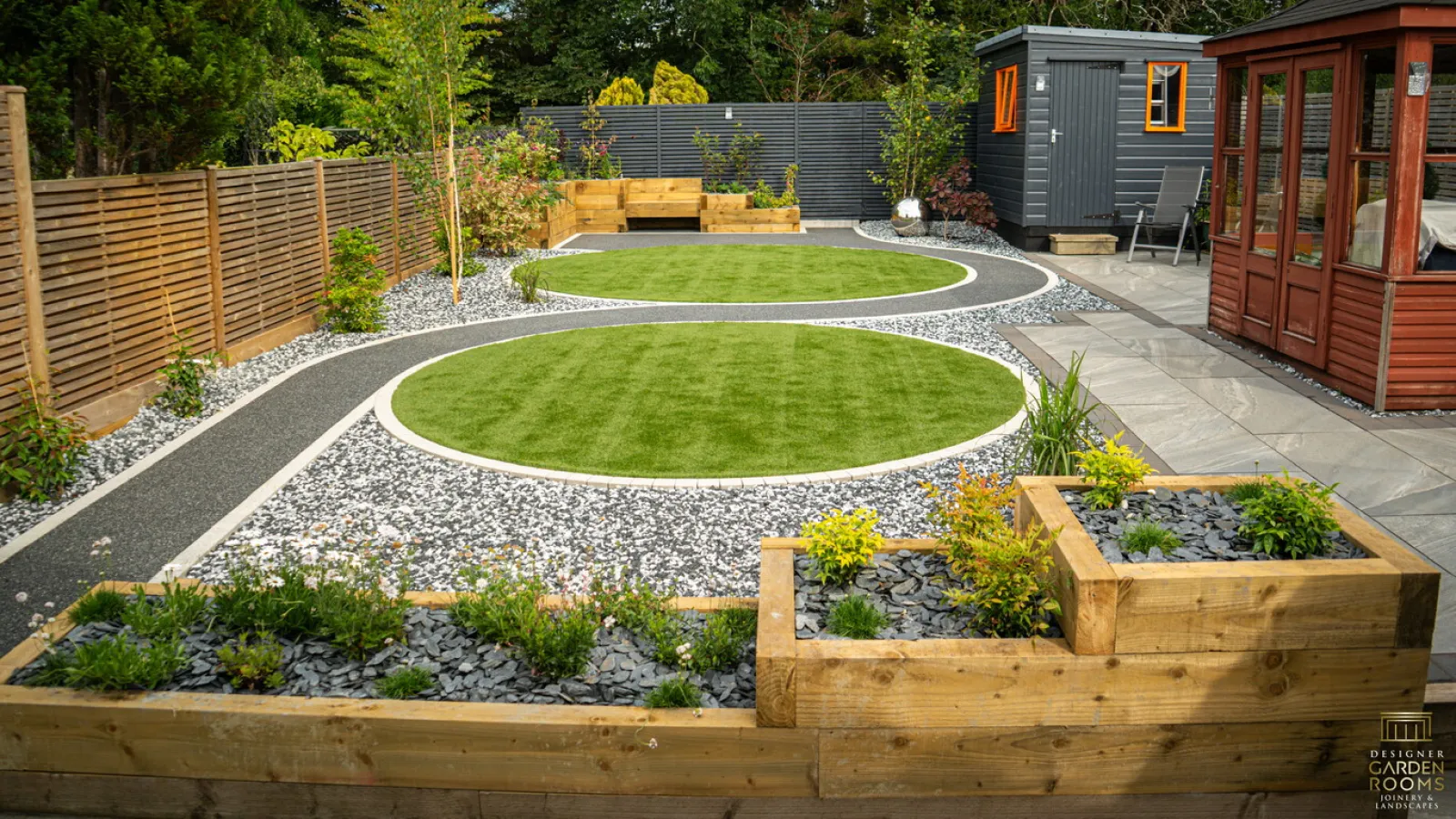
Depending on the cause, the right solution could involve improving the soil, installing a French drain, adding channel drainage or creating a dedicated land drainage system.
Good drainage is particularly important in Scotland, where heavy rain can quickly expose drainage problems in a garden. If you are planning wider garden landscaping in Glasgow, addressing poor drainage early can help create an outdoor space that remains practical throughout the year.
Why Does My Garden Have Poor Drainage?
Before choosing between different garden drainage solutions, it is important to understand why water is collecting in the first place.
One of the most common causes is compacted soil. When soil becomes heavily compressed, there is less space for rainwater to filter through it. Instead, water remains close to the surface and can leave a lawn saturated following periods of heavy rain.
Clay soil can cause similar problems. The small particles found in heavy clay soil hold water and allow it to drain much more slowly than lighter soil types. This can lead to waterlogged soil, particularly after excessive rainfall.
Other potential causes of poor garden drainage include:
A high water table
Low points where surface water naturally collects
Patios and driveways directing rainwater towards the garden
An existing drainage system that is blocked or inadequate
Poorly graded ground
Soil saturation following prolonged rainfall
Compacted areas caused by regular foot traffic or construction work
Standing water should not simply be ignored. Persistent water pooling can damage a lawn, affect certain plants and increase the risk of root rot.
7 Garden Drainage Solutions for Waterlogged Gardens
There is no single drainage solution that works for every property. The best approach depends on the garden, soil structure, amount of excess water and where that water can safely be directed.
1. Install a French Drain
A French drain is one of the most widely used garden drainage systems for dealing with waterlogged ground.
A trench is excavated through the affected area and typically lined with geotextile fabric before gravel and perforated pipes are installed. Water enters through the gravel and perforations in the pipe, allowing it to flow freely away from the problem area.
The pipe must have an appropriate fall so that gravity can divert water towards a suitable drainage point.
For larger gardens, a French drain system can include several pipes. These may sometimes be installed in a herringbone layout, with smaller branches feeding into a main drain.
A French drain can be particularly effective where standing water repeatedly develops across lawns or planted areas.
2. Use a Land Drainage System
Land drainage is designed to remove excess water from saturated ground.
Like a French drain, a land drainage system commonly uses perforated pipes beneath the surface. The pipes collect water from the surrounding soil and direct water towards an appropriate outlet.
For a severely waterlogged garden, land drainage may provide better drainage across a larger surface area than attempting to treat individual wet patches.
The layout needs to be carefully planned. There is little point installing drainage pipes if the water has nowhere suitable to go once it reaches the end of the system.
3. Add Channel Drainage to Hard Surfaces
Patios, paths and driveways can contribute to garden drainage issues because water cannot soak through impermeable surfaces.
Channel drainage provides a route for this surface water.
A channel drain is normally positioned where water naturally runs or at the edge of a paved area. The drainage channels collect water and carry it towards a suitable drainage point rather than allowing it to flow onto the lawn or towards the property.
Channel drainage can be particularly useful when landscaping incorporates substantial areas of paving.
Alternative permeable surfaces can also help. Options such as gravel and appropriately designed resin pathways can form part of a wider strategy to manage rainwater around an outdoor space.
Drainage design around driveways and other paved surfaces may also need to account for relevant SuDS regulations.
4. Improve Compacted or Clay Soil
Not every drainage problem requires underground pipes.
If compacted soil is preventing water from draining properly, improving the soil structure may be enough to make a noticeable difference.
Aerating a lawn creates openings that allow air and water to move deeper into the ground. Adding suitable organic matter can also improve the structure of some soils over time.
Clay soil requires more careful management. Simply adding a layer of sand is unlikely to solve serious drainage problems. Improving the soil gradually with organic matter can help, while persistent waterlogging may require a dedicated drainage system.
For lawns, regular aeration can also reduce future compaction and help keep the garden dry for longer following rainfall.
5. Consider a Soakaway
Soakaways collect water and allow it to gradually disperse into the surrounding ground.
They can be useful for managing rainwater in suitable soil conditions, but they are not appropriate everywhere. A soakaway is unlikely to perform effectively where the surrounding ground already drains very slowly or where there is a high water table.
The location, soil and amount of water being handled all need to be considered before installation.
6. Create Raised Beds
Raised beds are a simple option for areas where planting is difficult because the existing soil remains wet.
Raising the growing area above the surrounding ground provides greater control over the soil structure and can help prevent waterlogging around plant roots.
Raised beds do not solve the underlying drainage problems across the entire garden, but they can be useful as part of a wider landscaping design.
They also provide an opportunity to select soil specifically suited to the plants being grown.
7. Choose Plants Suited to Wetter Ground
Some parts of a garden may naturally remain wetter than others even after drainage improvements.
In these areas, water-loving plants can make better use of the conditions rather than constantly trying to keep every part of the garden dry.
Certain plants tolerate wet soil considerably better than others. Combining suitable planting with other drainage solutions can therefore create a lower maintenance garden while making use of naturally damp areas.
How Does a French Drain Work?
A French drain works by creating an easier route for water to travel through the ground.
Rather than allowing rainwater to remain trapped in saturated soil, the gravel surrounding the pipe provides a highly permeable path. Water passes through the gravel and enters the perforated pipe.
The drain then carries the water away.
Geotextile fabric is generally used to separate the gravel from the surrounding soil, helping prevent fine material from entering the system and reducing its effectiveness.
For the solution to work, the drain must be installed correctly. The depth, gradient, pipe diameter, gravel and final discharge point all need to suit the individual garden.
How Can You Improve Drainage in a Waterlogged Lawn?
A lawn that remains wet for days after rainfall is usually a sign that water is unable to move through or away from the soil efficiently.
Start by checking whether the problem is localised or affects the entire lawn.
Small areas of water pooling may result from compacted ground or a slight depression in the surface. Aeration, improving the soil and levelling minor low spots can sometimes provide better drainage.
More extensive waterlogging may require land drainage.
Perforated pipes can be installed beneath the lawn to collect water and carry it away. In larger areas, pipes may be arranged in a herringbone layout so that several branches feed into the main drain.
The lawn can then be reinstated over the drainage system.
Drainage Around Patios, Paths and Garden Buildings
Drainage should form part of the planning process whenever significant changes are being made to a garden.
New patios, paths and other hard surfaces change how rainwater moves across the property. If water is allowed to run towards the house or collect beside structures, it can create new flooding issues rather than solving existing ones.
The same applies when adding garden rooms. The surrounding ground needs to manage rainwater effectively so water does not continually collect around the building or its base.
This is why drainage, levels and garden room foundations should be considered as part of the wider site preparation rather than treated as completely separate elements.
Depending on the project, potential solutions could include channel drains, gravel margins, permeable surfaces or underground drainage.
What Is the Best Drainage Solution for Your Garden?
The best garden drainage solution depends on what is causing the problem.
If compacted soil is responsible, aeration and soil improvement may be sufficient. If surface water is running from a patio, channel drainage may be more appropriate. Persistent waterlogging across a large lawn could require a French drain or more extensive land drainage system.
The key factors to consider include:
Soil types and permeability
The natural slope of the ground
Where excess rainwater originates
The size of the affected surface area
Existing pipes and drainage systems
Nearby buildings and boundaries
The severity and frequency of flooding
Where collected water can legally and safely discharge
For minor drainage issues, relatively simple garden drainage ideas may be enough. For recurring flooding or extensive standing water, expert advice can help identify the underlying cause before significant work begins.
Garden Drainage in Scotland
Scottish gardens can face particularly demanding drainage conditions.
Regular rainfall combined with heavy or clay-based soil can leave some gardens struggling to drain for much of the year. Problems often become more noticeable during winter or following consecutive days of heavy rain.
Proper drainage can therefore be an important part of creating a garden that can be used year round.
This does not necessarily mean installing extensive drainage systems across the entire garden. Good landscaping considers how the lawn, beds, patios, paths, planting and ground levels work together.
Water should be encouraged to move away from areas where it can cause problems while still being managed responsibly within the wider site.
Improve Your Garden with Designer Garden Rooms
Solving drainage problems can transform how usable a garden feels. Whether the solution involves improving compacted soil, installing land drainage, adding a French drain or redesigning hard surfaces, the aim is to prevent excess water from repeatedly taking over the outdoor space.
Drainage can also be considered alongside a wider garden redesign. Designer Garden Rooms provides landscaping services across Glasgow and surrounding areas, helping homeowners create practical outdoor spaces designed around their property, garden and plans for the space.
If you are considering a larger project, our guide to landscaping costs in Scotland can also help you understand some of the factors that influence the overall cost of transforming a garden.

Written by
Angus Mackintosh
Angus, our director, brings years of hands-on experience in design, installation and project management. Known for his professionalism and personal approach, Angus ensures every project runs smoothly from first contact to final handover, delivering stunning and stress-free transformations across Ayrshire, Glasgow and East Renfrewshire.


